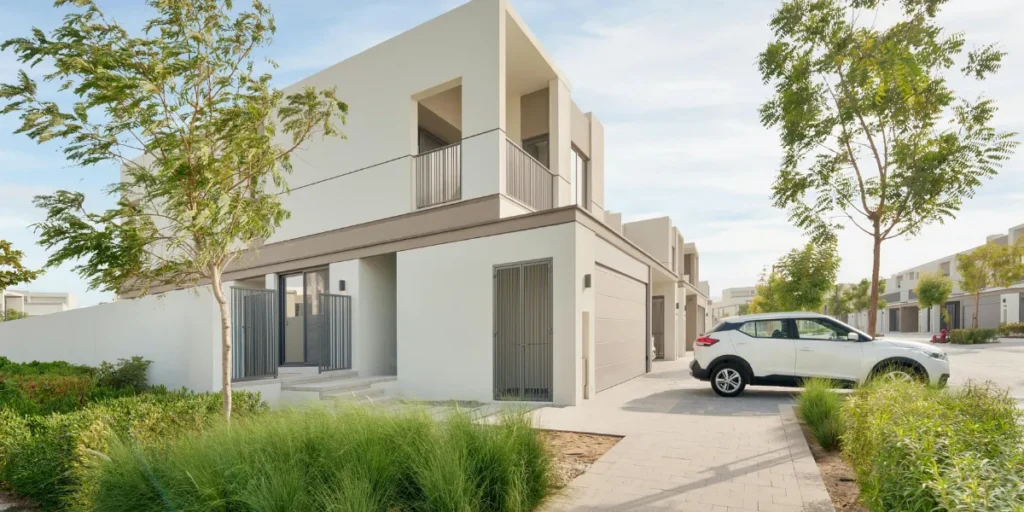
Buying a home is one of the biggest financial decisions you’ll ever make. For many Muslims, finding a financing option that aligns with Islamic principles is just as important as finding the perfect property. This is where an ijara mortgage becomes an attractive alternative to a traditional home loan. Instead of charging interest, which is prohibited under Islamic law (Sharia), an ijara mortgage uses a lease-to-own structure that allows individuals and families to purchase a home while remaining compliant with Islamic financial principles.
As Islamic finance continues to grow worldwide in 2026, more banks and financial institutions are offering Sharia-compliant home financing solutions. Whether you’re a first-time homebuyer or planning to refinance using Islamic financing, understanding how an ijara mortgage works can help you make an informed decision. This guide explains everything from the basic concept and eligibility requirements to benefits, costs, and comparisons with conventional mortgages. By the end, you’ll have a clear understanding of whether an ijara mortgage is the right choice for your financial goals and religious values.
What Is an Ijara Mortgage?
An ijara mortgage is a Sharia-compliant home financing arrangement based on the Islamic concept of leasing. The word Ijara means “lease” or “rent” in Arabic. Instead of lending money with interest, the financial institution purchases the property and leases it to the customer for an agreed period.
During the lease term, the customer makes regular monthly payments. These payments generally consist of two components: one covers the rent for using the property, while the other gradually increases the customer’s ownership share. At the end of the agreed financing period, ownership of the property is transferred to the customer after all contractual obligations have been fulfilled.
Unlike a conventional mortgage, an ijara mortgage avoids charging or paying interest (riba), making it a preferred financing option for Muslims seeking to follow Islamic financial principles.
Key characteristics include:
- Interest-free financing structure
- Lease-to-own arrangement
- Shared ownership during the financing period
- Transparent contractual agreements
- Fixed or clearly defined payment terms
- Compliance with Islamic banking principles
An ijara mortgage is commonly used for residential homes but may also be available for commercial properties in some markets. It provides a practical solution for homebuyers who want to own property without compromising their religious beliefs.
How an Ijara Mortgage Works
Understanding how an ijara mortgage works is easier when you break the process into simple steps. Rather than borrowing money to purchase a home, the financial institution acquires the property on behalf of the customer.
The customer then enters into a lease agreement with the institution and makes scheduled monthly payments throughout the financing period.
A typical ijara mortgage process includes:
Step 1: Property Selection
The buyer chooses a home that meets both their needs and the lender’s financing criteria.
Step 2: Property Purchase
The Islamic financial institution purchases the selected property.
Step 3: Lease Agreement
The institution leases the property to the customer under agreed terms.
Step 4: Monthly Payments
The customer makes regular payments consisting of:
- Rental payments
- Ownership acquisition payments
- Administrative charges (where applicable)
Step 5: Ownership Transfer
Once all agreed payments have been completed, full ownership transfers to the customer.
Throughout the financing period, both parties have clearly defined responsibilities regarding maintenance, insurance, and ownership rights. These responsibilities are outlined in the financing agreement to ensure transparency and compliance with Islamic finance standards.
The exact structure may vary slightly between financial institutions, but the core principle remains the same: financing through leasing rather than lending money with interest.
Principles of Sharia-Compliant Home Financing
An ijara mortgage is built upon the core principles of Islamic finance, which emphasize fairness, transparency, ethical investing, and shared responsibility. These principles distinguish Islamic home financing from conventional lending practices.
One of the most important concepts is the prohibition of riba, commonly understood as interest. Islamic finance encourages transactions based on tangible assets and shared risk instead of earning money solely through lending.
The main principles include:
- No interest (Riba)
- Asset-backed financing
- Ethical investment practices
- Transparent contracts
- Shared responsibilities
- Fair profit generation
- Risk sharing between parties
- Mutual agreement
Another key principle is avoiding excessive uncertainty (Gharar). All terms, payment schedules, ownership arrangements, and responsibilities must be clearly defined before the agreement begins.
Islamic financial institutions also avoid investing in businesses considered non-compliant with Sharia principles, such as gambling, alcohol production, or other prohibited industries.
These ethical standards help create financing arrangements that prioritize fairness and long-term financial responsibility rather than speculative profit.
For many Muslim families, choosing an ijara mortgage provides peace of mind by aligning homeownership with their religious values while still offering a practical path toward owning property.
Key Features of an Ijara Mortgage
The ijara mortgage offers several distinctive features that set it apart from conventional mortgage products. While the overall goal remains homeownership, the financing method follows Islamic contractual principles designed to ensure fairness and transparency.
One of the most notable features is the lease-based structure. Instead of making interest payments on borrowed money, the customer pays rent for using the property while gradually increasing their ownership stake.
Important features include:
- Sharia-compliant financing
- Lease-to-own arrangement
- Clearly documented contracts
- Predictable payment schedules
- Gradual transfer of ownership
- Asset-backed financing
- Ethical investment framework
- Transparent responsibilities
Many ijara mortgage agreements also specify how maintenance responsibilities are shared between the financial institution and the customer. Depending on the contract, major structural ownership obligations may remain with the institution until ownership is fully transferred.
Some providers offer flexible repayment options, allowing customers to purchase larger ownership shares over time or complete the financing agreement earlier, subject to contractual terms.
Another significant benefit is transparency. Payment calculations, ownership transfers, rental arrangements, and contractual obligations are generally established at the beginning of the agreement, helping both parties understand their rights and responsibilities throughout the financing period.
As Islamic banking continues to expand globally, ijara mortgages remain one of the most widely recognized and trusted methods of Sharia-compliant home financing.
Benefits of Choosing an Ijara Mortgage
Choosing an ijara mortgage offers more than just a way to finance a home without interest. It provides a financing model built on ethical principles, transparency, and shared responsibility. For many Muslim homebuyers, it represents an opportunity to achieve homeownership while remaining aligned with their religious beliefs. At the same time, even non-Muslim buyers may appreciate the clear contractual structure and asset-backed nature of this financing model.
Unlike traditional mortgages that rely on interest payments, an ijara mortgage is based on leasing. This means the financial institution purchases the property and leases it to the customer until ownership is fully transferred. The arrangement creates a relationship where both parties have defined rights and obligations.
Some of the major benefits include:
- Compliance with Islamic (Sharia) principles
- No interest (riba)
- Transparent contractual terms
- Ethical financing model
- Asset-backed transactions
- Predictable monthly payments
- Gradual path to homeownership
- Shared risk and responsibility
Another important advantage is transparency. Before signing the agreement, both parties understand the payment schedule, ownership transfer process, maintenance responsibilities, and lease terms. This reduces uncertainty and helps prevent disputes later in the financing period.
Many Islamic financial institutions also provide personalized guidance throughout the process, helping buyers understand their obligations and long-term financial commitments. As demand for Islamic banking grows globally, more lenders are expanding their ijara mortgage offerings, giving consumers additional choices and greater flexibility.
Overall, an ijara mortgage combines financial responsibility with ethical values, making it an attractive option for individuals seeking a Sharia-compliant approach to buying a home.
Ijara Mortgage vs. Conventional Mortgage
One of the most common questions among prospective homebuyers is how an ijara mortgage differs from a conventional mortgage. While both financing options ultimately help people purchase a property, the underlying financial structures are fundamentally different.
A conventional mortgage is based on borrowing money from a lender and repaying it over time with interest. The borrower becomes the legal owner of the property immediately, while the lender holds a security interest until the loan is repaid.
An ijara mortgage, however, operates through a lease-to-own arrangement. Instead of lending money, the Islamic financial institution purchases the property and leases it to the customer. Monthly payments include rental charges and ownership acquisition rather than interest.
Key Differences
| Ijara Mortgage | Conventional Mortgage |
|---|---|
| Based on leasing | Based on borrowing money |
| No interest (riba) | Interest charged |
| Sharia compliant | Not designed around Islamic principles |
| Asset-backed financing | Loan-based financing |
| Ownership transfers according to the agreement | Buyer usually owns immediately with lender’s security interest |
| Lease agreement involved | Loan agreement involved |
Beyond the financial structure, the two models also differ in philosophy. Islamic finance emphasizes fairness, transparency, and risk-sharing, while conventional lending focuses primarily on extending credit with interest-based repayment.
For Muslim buyers seeking religious compliance, an ijara mortgage offers peace of mind by avoiding interest-based financing. However, both options should be evaluated carefully based on costs, flexibility, legal terms, and personal financial goals.
Who Can Apply for an Ijara Mortgage?
Although an ijara mortgage is designed according to Islamic financial principles, it is generally available to anyone who meets the lender’s eligibility requirements. You do not necessarily have to be Muslim to apply, although many customers choose this financing model because it aligns with their religious beliefs.
Like conventional home financing, lenders evaluate applicants to determine whether they can comfortably manage the financial commitment.
Typical eligibility requirements include:
- Proof of stable income
- Acceptable credit history
- Required down payment
- Employment verification
- Government-issued identification
- Property that meets financing criteria
- Satisfactory debt-to-income ratio
- Legal residency or citizenship requirements (depending on the country)
Some Islamic financial institutions may have additional requirements based on local regulations or internal policies.
Applicants should also prepare documents such as:
- Recent pay slips
- Bank statements
- Tax returns
- Employment letters
- Identification documents
- Property purchase agreement
The exact documentation varies between providers, but preparing these records in advance can speed up the approval process.
Because Islamic banks carefully review both the customer’s financial situation and the property itself, working with an experienced advisor can make the application smoother and reduce delays.
Step-by-Step Ijara Mortgage Application Process
Understanding the application process helps buyers prepare for a successful home purchase. Although procedures vary between financial institutions, most ijara mortgage applications follow a similar sequence.
Step 1: Initial Consultation
The buyer meets with an Islamic finance provider to discuss:
- Budget
- Financing goals
- Property preferences
- Eligibility
- Available financing products
Step 2: Financial Assessment
The institution reviews:
- Income
- Employment
- Existing debts
- Credit profile
- Down payment
Step 3: Property Selection
After receiving preliminary approval, the buyer selects a property that meets both personal preferences and the lender’s financing guidelines.
Step 4: Property Evaluation
The financial institution assesses the property to confirm:
- Market value
- Legal ownership
- Condition
- Compliance with financing requirements
Step 5: Purchase by the Institution
Once approved, the institution purchases the property.
Step 6: Lease Agreement
The buyer signs an ijara agreement outlining:
- Monthly payments
- Lease period
- Ownership transfer conditions
- Maintenance responsibilities
- Early settlement provisions (if applicable)
Step 7: Monthly Payments
The customer occupies the home while making agreed payments according to the financing schedule.
Step 8: Final Ownership Transfer
After fulfilling all contractual obligations, ownership transfers completely to the customer.
This structured process ensures transparency from beginning to end while maintaining compliance with Islamic financial principles.
Costs and Fees to Expect with an Ijara Mortgage
Although an ijara mortgage avoids interest, it does not mean the financing is free. Buyers should understand all associated costs before entering into an agreement.
Most Islamic financial institutions clearly explain their pricing structure so customers know exactly what they will pay throughout the financing period.
Common costs may include:
- Down payment
- Property purchase costs
- Monthly rental payments
- Ownership acquisition payments
- Legal fees
- Property appraisal fees
- Administrative charges
- Registration costs
- Insurance (where applicable)
- Government taxes and closing costs
Some providers may also charge fees for:
- Early settlement
- Contract amendments
- Late payments
- Additional legal documentation
It is important to review the financing agreement carefully and ask questions about every fee before signing.
Rather than comparing only the monthly payment, buyers should evaluate the total cost of ownership, including all financing charges, legal expenses, taxes, insurance, and maintenance obligations.
A transparent provider will explain each cost clearly and provide a detailed payment schedule, allowing customers to budget confidently and avoid unexpected expenses during the life of the agreement.
Potential Risks and Considerations of an Ijara Mortgage
While an ijara mortgage offers a Sharia-compliant alternative to conventional home financing, it is still a long-term financial commitment that requires careful planning. Understanding the potential risks and responsibilities before signing an agreement helps buyers make informed decisions and avoid unexpected financial challenges.
One of the most important considerations is reading the financing contract thoroughly. Although Islamic financial institutions strive for transparency, each provider may structure its ijara agreements differently. Monthly payments, maintenance responsibilities, ownership transfer conditions, and early settlement policies can vary significantly.
Some important factors to evaluate include:
- Total financing cost
- Lease duration
- Down payment requirements
- Early settlement conditions
- Property maintenance obligations
- Administrative fees
- Insurance requirements
- Ownership transfer terms
Another consideration is affordability. Buyers should ensure their monthly payments fit comfortably within their budget, taking into account other household expenses, property taxes, insurance, and future financial goals.
It’s also wise to compare multiple Islamic finance providers. While each institution follows Sharia principles, the pricing structure, customer service, flexibility, and available products may differ.
Seeking advice from both a qualified financial advisor and an Islamic finance specialist can provide additional confidence before entering into a long-term agreement.
Tips for Choosing the Right Islamic Finance Provider
Not every Islamic finance institution offers the same level of service or financing flexibility. Choosing the right provider is just as important as selecting the right property. A reliable provider should not only offer a competitive ijara mortgage but also maintain transparency, strong customer support, and a solid reputation in Islamic banking.
Start by researching the institution’s experience with Sharia-compliant home financing. Established providers often have well-developed processes, knowledgeable advisors, and clear documentation that makes the home-buying journey easier.
When comparing providers, consider the following:
- Reputation and customer reviews
- Sharia supervisory board oversight
- Transparency of fees and charges
- Flexibility of repayment options
- Customer support quality
- Property financing limits
- Digital banking services
- Experience with Islamic mortgages
Ask important questions before signing any agreement, such as:
- How is the monthly payment calculated?
- What happens if I want to settle early?
- Are there any additional administrative charges?
- Who is responsible for major repairs?
- How is ownership transferred at the end of the lease?
Request a complete breakdown of all costs and carefully review every contractual term. A trustworthy provider will gladly explain the agreement and answer your questions without pressure.
Choosing an experienced Islamic finance provider helps ensure a smoother transaction and greater confidence throughout your homeownership journey.
The Future of Ijara Mortgages in 2026 and Beyond
The demand for Islamic financial products continues to grow worldwide, making the ijara mortgage one of the fastest-growing alternatives to conventional home financing. As more consumers seek ethical, transparent, and Sharia-compliant financial solutions, banks and financial institutions are expanding their Islamic mortgage offerings.
Technology is also transforming the Islamic banking industry. Digital applications, online document verification, virtual consultations, and faster approval processes are making ijara mortgages more accessible than ever before.
Several trends are shaping the future of Islamic home financing:
- Expansion of Islamic banking worldwide
- Increased digital mortgage applications
- Greater transparency in financing agreements
- Improved customer education
- More flexible repayment options
- Enhanced online account management
- Growth of ethical investment products
- Rising demand among younger homebuyers
Governments and financial regulators in many countries are also recognizing the importance of Islamic finance by developing supportive regulatory frameworks. This encourages more institutions to introduce innovative Sharia-compliant financing products while maintaining consumer protection.
As awareness continues to grow, buyers can expect increased competition among providers, potentially leading to better service, improved technology, and more financing choices in the years ahead.
For individuals seeking an ethical path to homeownership, the future of ijara mortgages looks increasingly promising.
Frequently Asked Questions About Ijara Mortgage
What is an ijara mortgage?
An ijara mortgage is a Sharia-compliant home financing arrangement based on a lease-to-own model. Instead of lending money with interest, the financial institution purchases the property and leases it to the customer. Over time, the customer makes agreed payments and eventually becomes the full owner after meeting all contractual obligations.
Is an ijara mortgage halal?
Yes. An ijara mortgage is generally considered halal because it follows Islamic finance principles by avoiding interest (riba) and using an asset-backed leasing structure. However, interpretations can vary, so buyers should consult a qualified Islamic scholar or trusted financial advisor if they have specific religious questions.
Can non-Muslims apply for an ijara mortgage?
Yes. Although an ijara mortgage is designed according to Islamic financial principles, many providers make this financing option available to both Muslim and non-Muslim applicants who meet their eligibility requirements.
How is an ijara mortgage different from a conventional mortgage?
The main difference is the financing structure. A conventional mortgage is based on borrowing money and repaying it with interest, while an ijara mortgage is based on leasing a property with a gradual transfer of ownership, avoiding interest-based lending.
Is an ijara mortgage more expensive than a traditional mortgage?
The total cost depends on the provider, financing terms, property value, and local market conditions. Instead of comparing only monthly payments, buyers should evaluate the overall financing package, including fees, flexibility, customer service, and long-term affordability.
Conclusion
An ijara mortgage provides a practical and ethical path to homeownership for individuals seeking a Sharia-compliant alternative to conventional mortgages. By replacing interest-based lending with a lease-to-own structure, it aligns with Islamic financial principles while still allowing buyers to achieve their dream of owning a home.
Throughout this guide, we’ve explored how ijara mortgages work, their key features, benefits, eligibility requirements, costs, and the differences between Islamic and conventional home financing. While every financing agreement is unique, understanding the terms, comparing providers, and reviewing all contractual obligations carefully are essential steps before making a decision.
As Islamic finance continues to expand globally in 2026 and beyond, ijara mortgages are becoming increasingly accessible, transparent, and flexible. With more financial institutions offering innovative Sharia-compliant solutions, homebuyers now have greater opportunities to choose financing that reflects both their financial goals and personal values.
Whether you’re purchasing your first home, upgrading to a larger property, or investing in real estate, taking the time to understand your financing options will help you make confident and informed decisions for the future.